After the Violence
Thoughts from an abuse survivor and trauma psychologist
By Dr. Jackie Layton
You’ve Met Jane Doe.
In my career, I’ve spoken to thousands of survivors of sexual trauma and interpersonal violence. But speaking to trauma survivors every week isn’t unique to trauma therapists.
We all speak to survivors and perpetrators regularly, whether or not we know it.
These brave, kind, lovely people have survived sexual violence by fraternity members, athletes, partners, officers, bosses, instructors, military sergeants, church leaders, family members, friends, and acquaintances. Others have experienced other forms of abuse, violence, and powerlessness.
So many of us understand Jane Doe in our own ways. So many of us are Jane Doe.
You’ve met Jane again and again. You’ve probably passed by her in the grocery store, made small talk with her, worked on projects with her, and shared a meal with her. Maybe she’s your teacher, your friend, your sibling, or someone you care about who hasn’t felt able to talk about it yet.
I had a familiar pit in my stomach when I read about the violence seven men at Cornell were reported to have perpetrated against a woman publicly identified as “Jane Doe.” Like far too many survivors, some of my earliest memories in life are of abuse, and of not being believed. I learned to fear the very adults I depended on from an early age. My heart hurt for the likely experience Jane Doe had been going through for the past year.
And since the news broke, the fellow survivors of abuse and violence I get to see for therapy have been sharing a wide variety of ways this has reminded them of their own experiences.
When someone comments about a news story involving rape or abuse, survivors are seeing it. When your coworker makes a comment minimalizing violence or calling Jane Doe into question, someone nearby may be recalling how people did that very same thing to them.
We often speak about sexual violence like something that happens somewhere else, in some rare or extreme circumstance, but we interact with the survivors and perpetrators of sexual violence in our daily lives.
Sometimes I wonder if people push away or dismiss Jane Doe, because we want to distance ourselves from the deeper knowing that, on an ordinary-turned-horrible day, we could all become Jane.
Maybe Jane reminds us of our own vulnerability.
And maybe it seems easier to imagine that she did something wrong, something we would never do, than to acknowledge that terrible things can happen to people who did nothing to deserve them. And to then see how society treats them afterwards.
But, avoiding or abandoning survivors doesn’t actually protect us. It just creates a more isolated society that we too then have to live in.
Who We Protect
Can you imagine hiding behind a desk during a violent armed robbery, pulling out your phone to whisper a desperate phone call to the police, only for the operator to cut you off saying, “I mean you walked into a building that has money in it. What did you think was going to happen?”
Sound ridiculous? And yet survivors of sexual violence have shared the equivalent with me in therapy hundreds of times.
Most sexual violence is perpetrated by someone the survivor knows, like a partner, friend, family member, coworker, or acquaintance. So when survivors seek help, they’re often asking people who know, love, admire or depend on the person who hurt them.
And I’ve heard so many painful accounts of what happened next. Some share how the person they told reacted in disbelief or disgust, or questioned whether they had somehow consented.
When the survivors considered reporting, many were asked whether they were sure they wanted to do this to the perpetrator, organization, unit, family, or community. As if the survivor was the one creating the problem by reporting it, rather than the perpetrator creating it through violence.
We ask why someone didn’t report sooner or at all, without thinking about what reporting could cost them. I’ve heard from survivors who feared retaliation from the perpetrator, his family, teammates, friends, or supporters. Others feared losing their own families, friendships, careers, or communities for speaking about what the perpetrator did.
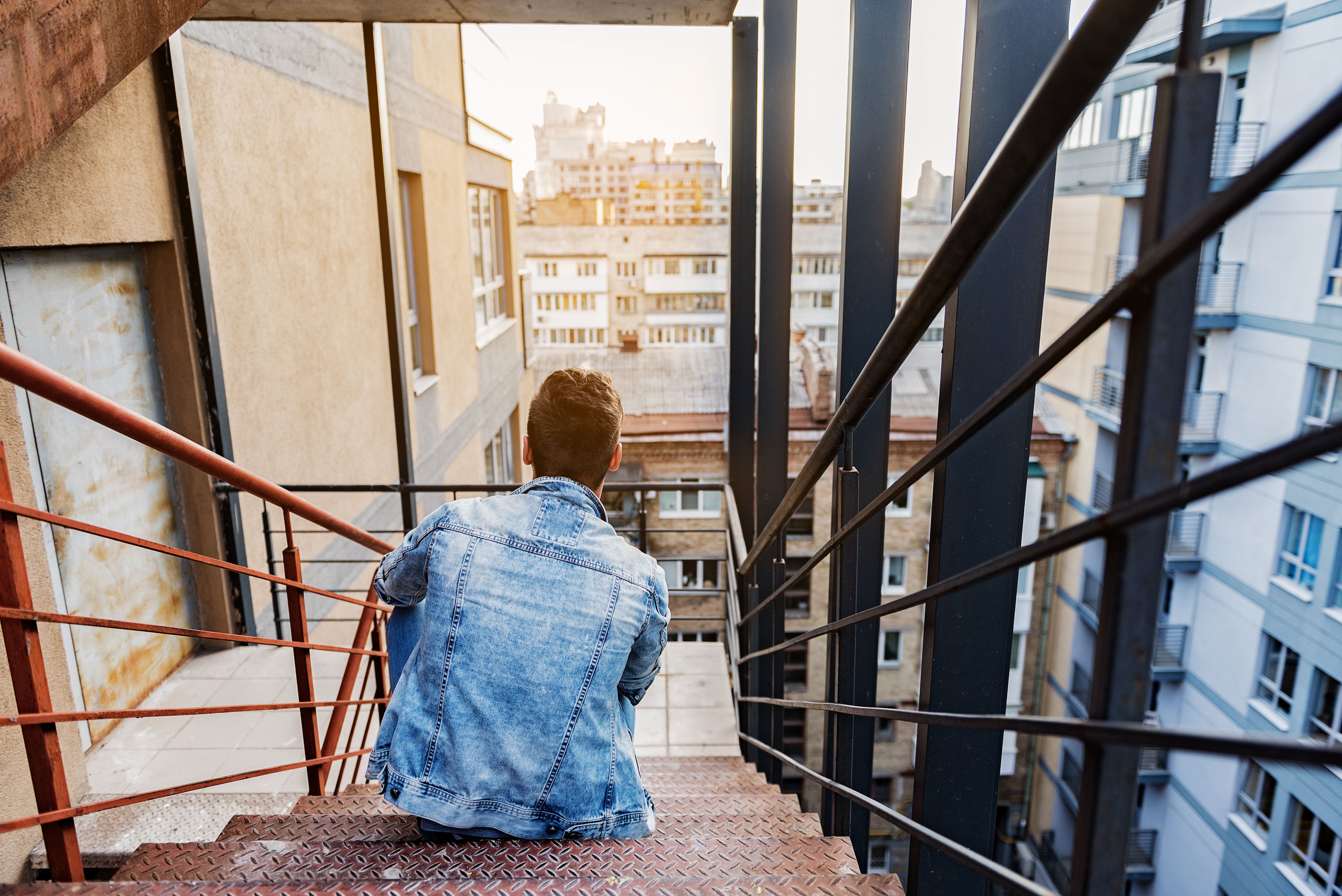
And then we question why someone stayed in a relationship, returned to a workplace, or continued speaking to someone who hurt them, without understanding the complicated realities of fear, coercion, dependence, and survival.
If we’re being honest here, we expect people who have just something terrifying to become their own investigators, attorneys, advocates, and public relations teams. We ask why they weren’t able to remember everything, preserve evidence, know who to call, and make the right decisions in the right order, all while still in shock.
And when their responses don’t match what we imagine a survivor should say or do, we question whether they’re telling the truth.
As a trauma therapist I can’t begin to tell you how unreasonable it is to think someone who just went through trauma should look and act a certain way.
I’ve heard people describe those first moments afterward for over 10 years now. Sometimes when the adrenaline wore off, people laughed and cried in relief at being alive. I still remember a person who barely survived what would have been a terrifying death. When someone asked what he needed, he took the question literally and asked for a turkey sandwich, please.
I’ve also sat with people who shared that they were in shock, straightened up, and walked into a meeting. No one knew what had just happened. The survivor barely understood what had just happened. So they sat in an office chair, surrounded by people discussing inventory, while the pain and rage of what they’d just experienced slowly began to sink in.
People can respond in all sorts of ways when frightened, traumatized, or numb. A response that seems strange to an observer may reflect shock, fear, dissociation, or an attempt to just get through the next few minutes. But too often, these responses are treated as reasons to doubt them.
People talk about how few survivors report the crime, but leave out how most survivors who do report never see justice. A 20-year review of sexual violence cases in the US found in 89% of cases, the police marked these as “founded,” or believed the crime to have more than likely occurred. And despite that, only 8% of reported rape and sexual assault cases actually ended in conviction.
People talk about “everyone needing to move on,” even though the consequences of violence can linger long after the immediate danger has passed, and the healing and recovery process is rarely linear.
We don’t often talk about the painful therapy sessions, where the survivor finds themselves back in that moment, coping with the questions and hurt from new angles, or the false starts each time survivors finally feel they’ve moved into a new chapter of life, or the ways they struggle with their own bodies and intimacy afterwards.
We don’t talk about how recovery is a process that can feel so lonely, overwhelming and painful at times and how it can keep showing up in new ways and in new stages of life.
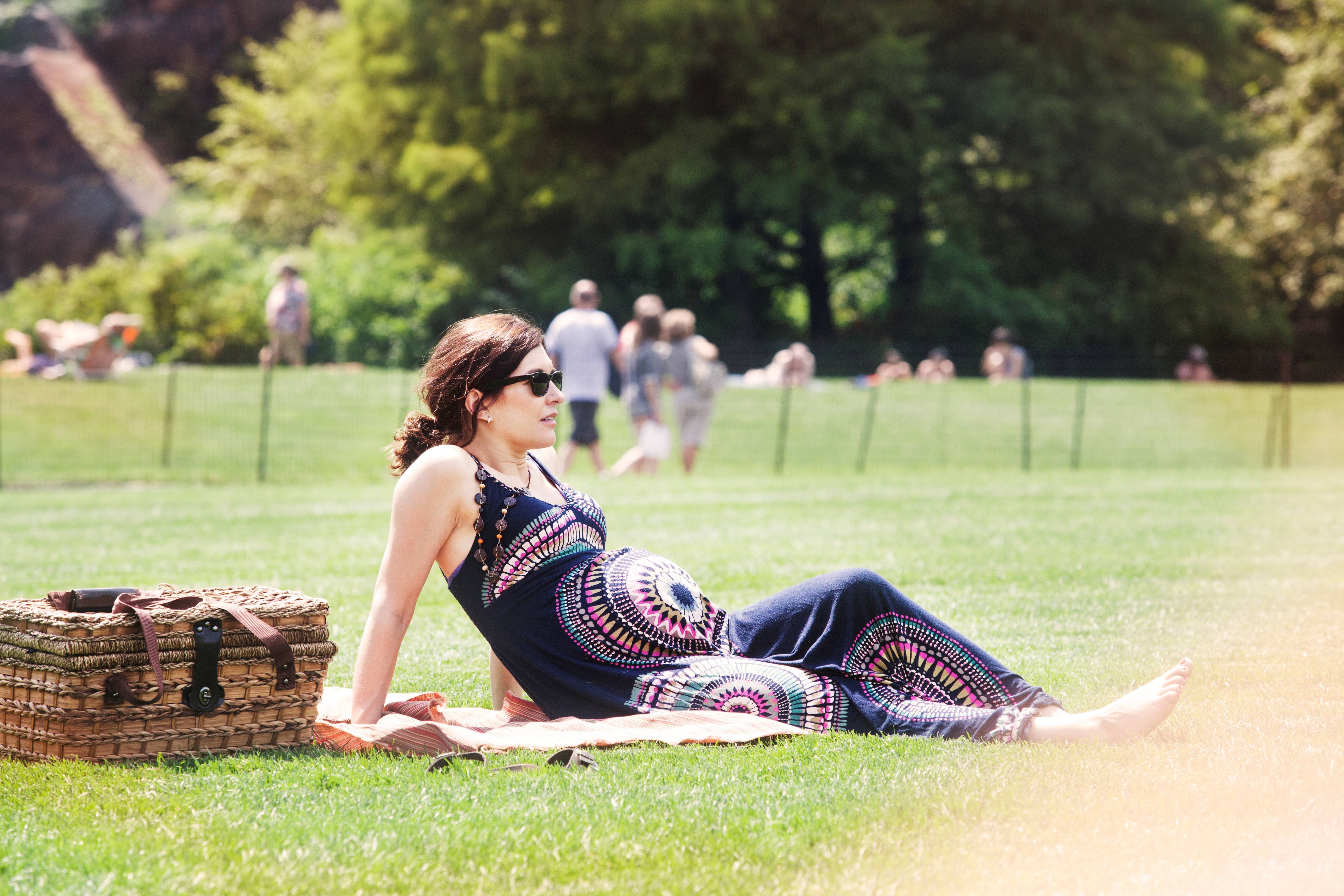
Pregnancy is an example I often see, and know too well myself. When a stranger reaches out to touch our stomach, or you face the complicated experiences of medical appointments and birth, when nurses or other providers grab you without consent, cause unnecessary pain or harm, or dismiss you when you are already vulnerable that can bring a lot up too. And so can difficulties around trust and privacy when breastfeeding, or the realization that this precious little one you’re bringing into the world may someday encounter someone who could hurt them too.
Survivors can continue to lead meaningful lives with joy and healing, but there are still so many consequences of violence that people around us don’t see.
It bothers me how quickly public conversations move to questions about the perpetrator’s life instead.
“Think of his future,” a judge with his own questionable history will say. His education, his career, his reputation, his opportunities.
But what about the life Jane imagined?
What opportunities did Jane lose? What relationships changed? What does it mean to lose the sense that your own body, home, workplace, or community is safe? And why are we so much more comfortable asking survivors to carry the consequences of a perpetrator’s actions than for the perpetrators to be accountable for them?
I think about this when people with established histories of sexual abuse and violence continue to receive public admiration, prestigious opportunities, power, and institutional protection.
I’ve spent years on this question. The topic for my dissertation research was in military sexual violence prevention. I found that the biggest predictor of someone perpetrating sexual violence was perceived peer tolerance for violence. In other words, the more folks feel they will be immune from social rejection or judgement, the more likely they are to perpetrate sexual violence.
Our society appears to tolerate violence against the vulnerable far better than we tolerate accountability for the powerful. And the my research suggested that this both protects and contributes to sexual violence.
The Cornell fraternity group chat, where men commented casually about joining the rape and assault of Jane Doe, and far more men did nothing to stop it, call it out, or report it, is an important illustration of what people will tolerate, support, and refuse to challenge.
We all make choices in how we respond to things, what we focus on, and that shapes the society we are living in. And not just after news stories like this, but in ordinary conversations with our own groups and communities. Our choices about how we respond to comments in a group chat, jokes about sexual violence, and who we support all impact the conditions underlying violence.
This pattern of tolerating violence against the vulnerable rather than demanding accountability from the powerful is one I’m sure you’ll see across so many settings. We get to choose what we excuse, who we protect, and what we are willing to see or ignore. And these choices are what allow us to shape a healthier, safer culture for us all to live in.
This isn’t abstract or outside of us. It is us, by us, and affecting us all.
Stay with Jane
The news cycle is short. And in far less than than we think is possible, the media will move on. People will go back into their lives and survivors will watch the conversations fade away again. And for many, it will feel like being abandoned again.
When that time comes, I hope you’ll remember how you felt for Jane Doe.
There are so many people who cannot put that feeling down when the headlines disappear; not for months or years. For some, reminders of what happened will remain painful throughout their lives.
We’re flooded with information, crises, and violence competing for our attention, arguably by design. We can never make too much headway against an area of violence or injustice if we continually set it back down to consider new areas of harm. I understand why many will shift back to the things they are fighting hardest against.
But I also hope you will find moments to slow down and notice what you were feeling as you read about the Cornell 7. Or Gisèle Pelicot. Or E. Jean Carroll. Maybe it was horror, disgust, rage, fear, or grief. Maybe you felt exhausted or numb after hearing about more violence, a continued lack of accountability for and by the powerful, and repeating patterns in our society.
Whatever came up for you, I hope you’ll consider what those feelings may be able to tell you about the people around you, and the kind of community you want to help create.
All around us are survivors. Some were raped last night. Others months or years ago. Some have found comfort and feel care in therapy. Others were held by friends and loved ones. Some faced it all alone - perhaps felt they had no choice but to face it alone.
Some are still searching for the safety and support they’ve needed and deserved all along.

We don’t have to know every detail of someone’s experience to treat them with compassion. Survivors do not owe us their stories, advocacy or emotional labor. We can choose to pay attention to how we respond, consider how we talk about these stories, and consider whose comfort we are prioritizing when we react.
We can also look more closely at our own assumptions, and get curious about where those actually come from. And we can remember that our small, daily choices contribute to the world we’re creating for one another.
The news will move on, but Jane will still be there in your life, sitting next to you at work on on the bus, raising her children next door, falling in love, and building a life that contains so much more than what happened to her. She may be healing, struggling or a bit of both most days.
We don’t have to leave her again. We can choose to stay with Jane.
In warm solidarity,
Dr. Jackie
Thank you for reading! If you found this helpful, please consider sharing it with others, subscribing (it’s free) to keep seeing future posts, and commenting below on what from this stuck with you. Or if you have any questions or thoughts as well. I’d love to read them.
A note on the stories shared here
The stories and examples in this essay are drawn from real experiences shared with me over years of working with survivors of trauma and violence. To honor the privacy and trust of the people who have shared their stories with me, I’ve switched out some identifying details as added protection for the survivor (e.g., the sandwich wasn’t turkey). I wanted to help you see what real trauma and shock can look like by bringing in real illustrations, but also wanted to ensure I was still protecting those who have trusted me in their most vulnerable moments.
A note on the photos
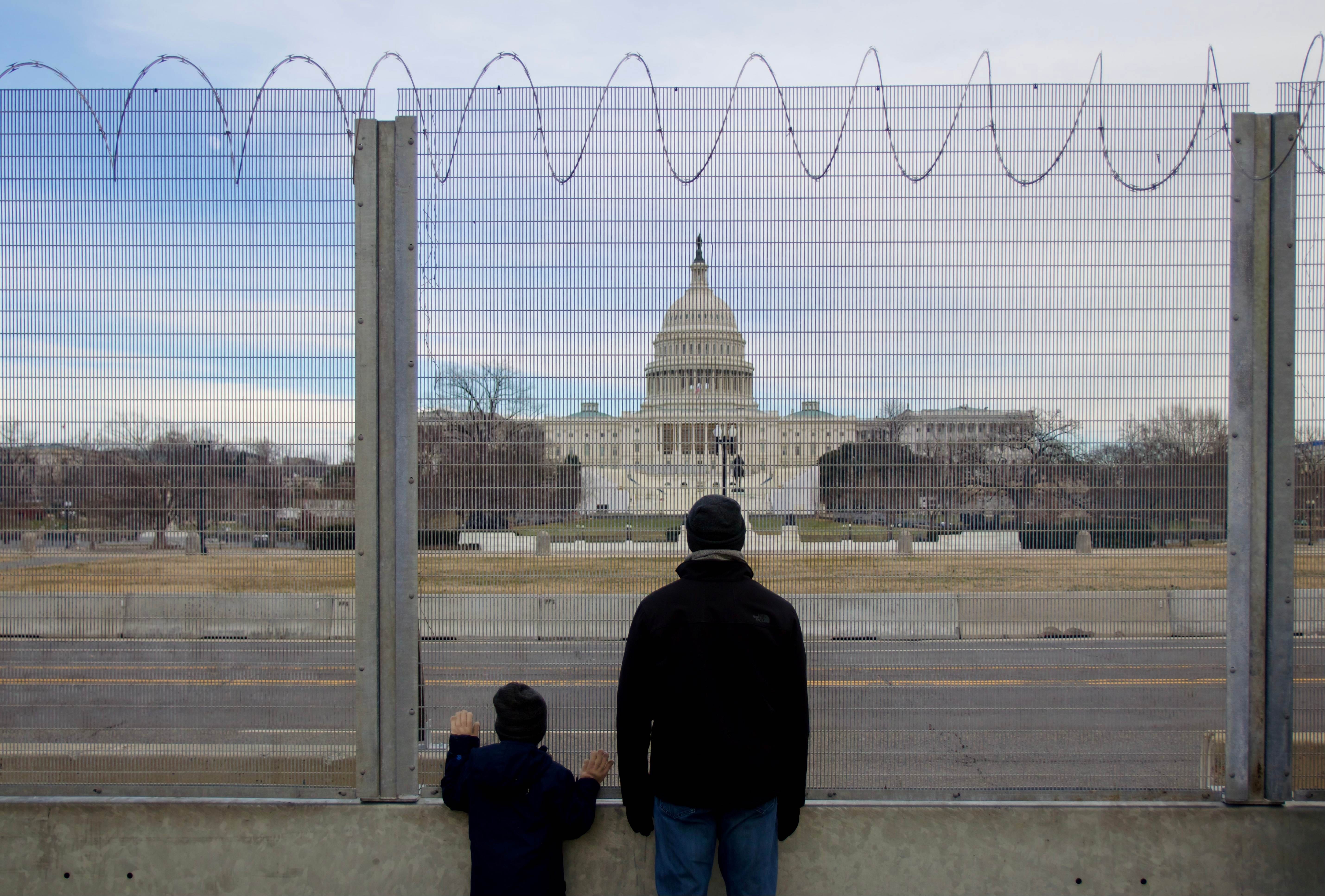
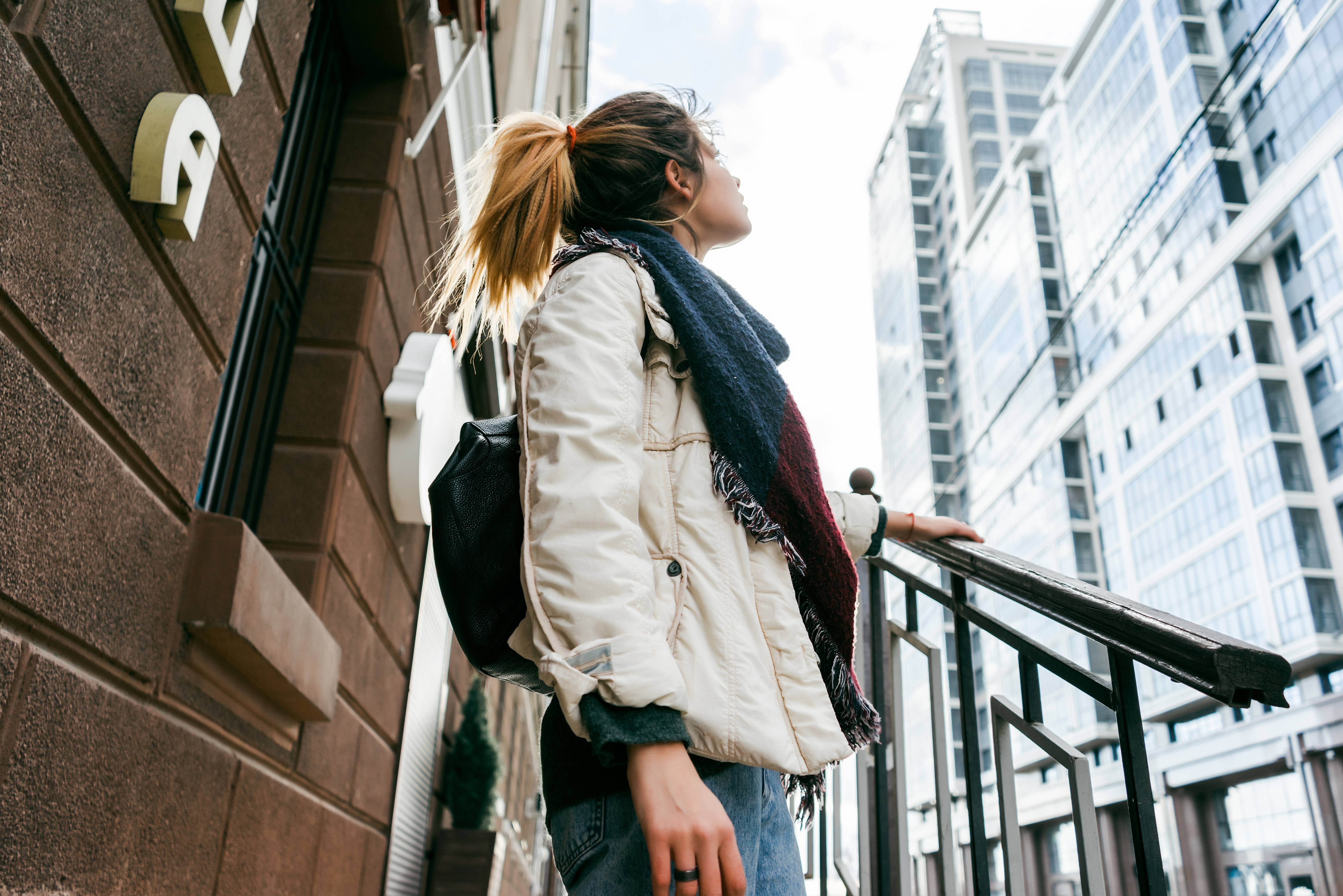
I chose photos of people in their lives, in hopes of connecting us to our everyday shared humanity. These photos are not meant to imply that these folks are necessarily survivors of violence. They are just fellow humans who also happened to pose for Envato stock photos at some point. The photo post-insurrection is intentional. I felt it was a great portrait illustrating how we and our children are witnessing increasing violence without accountability. That too impacts violence culture around us.
If You or Someone You Know Needs Support
Free, confidential , 24-7 support is available. Here are a few to consider:
- RAINN’s National Sexual Assault Hotline for survivors of sexual assault or abuse, and for loved ones of survivors: 800.656.HOPE.
- National Crisis Line: 988
- The Trevor Project for LGBTQ youth: 1-866-488-7386 and the LGBT National Help Center: 1-888-843-4564
Some Sources for Wonderers
WHO report on Violence Against Women
National Sexual Violence report
RAINN Sexual Violence statistics
My dissertation on Military Sexual Violence Prevention. It’s a dissertation, so quite a hefty read. But if you want to learn about individual, social, and cultural factors related to sexual violence, here was everything I put together back then.